

The Upstate NY Heat Wave Advisory is in full effect, with scorching temperatures and high humidity sweeping across the region. The National Weather Service (NWS) has issued warnings for cities like Albany, Syracuse, Rochester, and Buffalo, urging residents to take immediate precautions. This heat wave, part of a broader Northeast temperature surge, brings serious health risks. Here’s everything you need to know to stay safe during the Upstate NY Heat Advisory.
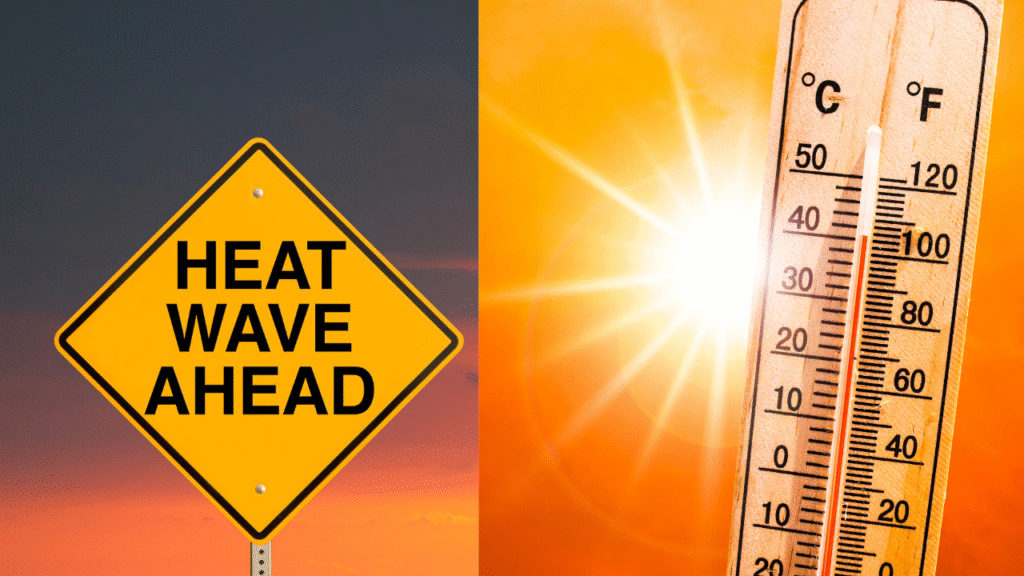
Upstate NY Heat Advisory conditions with thermometer showing high temperature
How Hot Will It Get During the Upstate NY Heat Wave Advisory?
The Upstate NY Heat Advisory forecasts temperatures soaring into the mid-90s°F (35–37°C). With oppressive humidity, the heat index could climb to a dangerous 100–105°F (38–41°C). Affected areas include major cities and surrounding suburbs and rural zones. Nighttime lows will remain above 70°F (21°C), offering little relief and increasing the risk of heat-related stress. The advisory is expected to last through the weekend, so preparation is critical.
Who’s Most at Risk During the Upstate NY Heat Wave Advisory?
Certain groups face heightened dangers during the Upstate NY Heat Advisory:
- Young Children and Infants: Less efficient at regulating body temperature, they rely on caregivers for cooling and hydration.
- Older Adults: Chronic conditions or medications can impair heat tolerance.
- Individuals with Chronic Conditions: Heart, respiratory, or diabetes issues can worsen in extreme heat.
- Outdoor Workers: Prolonged exposure to heat increases dehydration and heat stress risks.
- Athletes: Intense activity in high heat can lead to heat exhaustion or heatstroke.
- Residents Without Cooling: Lack of air conditioning heightens vulnerability.
- Pets: Thick fur or short snouts make them prone to heatstroke.
ALSO READ : Trump Putin Meeting: Key Takeaways from the Alaska Summit
7 Critical Tips to Stay Safe During the Upstate NY Heat Wave Advisory
Protect yourself and loved ones with these essential tips for surviving the Upstate NY Heat Advisory:
- Stay Hydrated: It’s crucial to drink plenty of water regularly, even if you don’t feel thirsty yet. Avoid drinks like soda, alcohol, and caffeine, which can cause dehydration rather than help prevent it.
- Seek Air-Conditioned Spaces: Spending time in cooled environments is one of the most effective ways to beat the heat. Libraries, shopping malls, and designated cooling centers offer relief — check local resources for nearby options.
- Limit Outdoor Activity: Avoid engaging in heavy physical activities or strenuous work especially during the hottest parts of the day—from 10 AM to 4 PM. If you need to be outdoors, take frequent breaks in shaded areas or go inside periodically.
- Wear Appropriate Clothing: Opt for lightweight, loose-fitting, and light-colored clothing, which helps reflect sunlight and keeps your body cooler.
- Check on Vulnerable People: Some groups like elderly neighbors, infants, young children, or people with underlying health conditions are at higher risk during extreme heat. Regularly check on them to ensure they are staying cool and hydrated.
- Never Leave Kids or Pets in Cars: Even with windows partially open, vehicle interiors can heat up to dangerous temperatures in minutes. Leaving children or animals in parked cars during a heat advisory is extremely unsafe and potentially fatal.
- Know Heat Illness Signs: Be alert to symptoms of heat exhaustion such as excessive sweating, dizziness, or nausea. More serious is heatstroke, which may cause a very high body temperature, confusion, or unconsciousness. If heatstroke is suspected, call 911 immediately and seek emergency cooling methods like cool showers or wet towels.
Community and Official Response to the Upstate NY Heat Wave Advisory
Local authorities are actively responding to the Upstate NY Heat Wave Advisory. Many municipalities are opening cooling centers and enacting emergency protocols. Stay updated via local news or official city/county websites for cooling center locations and other resources. The NWS provides real-time updates to keep you informed. https://www.weather.gov/buf//